

Glaucoma Care at Brighton Eye Associates in Brighton CO
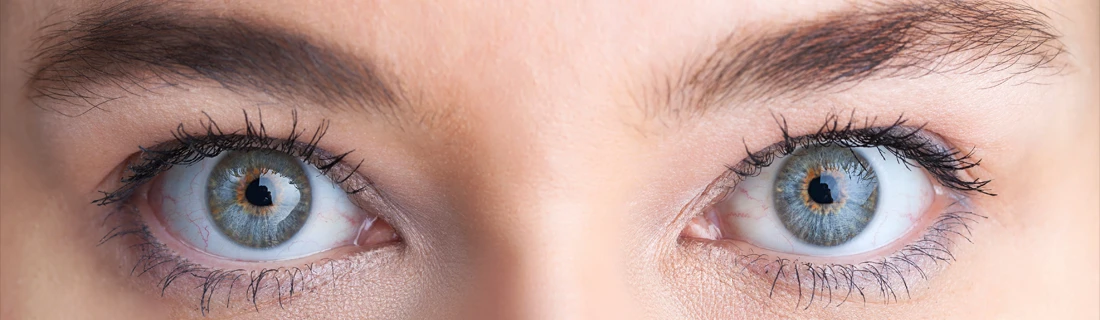
Glaucoma can develop without noticeable symptoms, which means regular eye check-ups in Brighton CO are crucial for your vision. At Brighton Eye Associates, we perform thorough glaucoma tests. We check your eye pressure, examine the optic nerve, and look for any concerning changes. Our focus is on monitoring your eye health and providing personalized care based on your specific needs and risk factors.
What Is Macular Degeneration and How Does It Affect Central Vision? in Brighton CO
Macular degeneration is an eye condition that affects the macula, a small area at the back of the eye. The macula helps us see clearly in the center of our vision, which is important for activities like reading and driving. When damaged, central vision may become blurry or distorted.
This condition is often related to aging and is known as age-related macular degeneration, or AMD. While it usually does not cause complete blindness, it can make daily activities challenging.
Macular degeneration can develop slowly and may have no obvious symptoms initially. Some people notice straight lines looking wavy or have trouble reading small print.
Important effects may include:
- Difficulty seeing fine details clearly
- Blurred or distorted central vision
- Trouble recognizing familiar faces
- Reduced ability to see in dim lighting
- Dark or empty areas in the visual field
At Brighton Eye Associates, we provide detailed evaluations to assess retinal health and detect signs that may require further attention.
The Differences Between Dry and Wet Macular Degeneration
Macular degeneration has two main types: dry and wet. Both affect the macula and can reduce central vision, but they develop differently. Knowing which type you have is important for monitoring and treatment.
Dry macular degeneration is more common and usually develops slowly. It involves thinning of the macular tissue and buildup of small yellow deposits called drusen under the retina. Some may have minor changes, while others face more serious vision issues.
Wet macular degeneration is less common but progresses faster. It occurs when abnormal blood vessels grow under the retina and leak blood or fluid, harming the macula and causing sudden vision distortion or loss.
Key differences include:
- Dry AMD often progresses more slowly
- Wet AMD may cause rapid vision changes
- Drusen are commonly associated with dry AMD
- Abnormal leaking blood vessels are linked to wet AMD
- Treatment options differ between the two forms
Common Risk Factors Linked to Macular Degeneration
Macular degeneration doesn’t have a single cause, but several factors can increase the risk. Some factors are unchangeable, while others relate to health history or personal habits.
- Age is a key risk factor, as the condition is more common in adults over 50. A family history of macular degeneration can also increase risk. If you have relatives with the condition, you may be more likely to develop it.
- Smoking is a significant risk because it damages blood vessels and reduces blood flow to the eyes.
- High blood pressure and heart disease can also raise the risk.
- Long-term UV exposure and poor diets may strain the retina, though risk can vary for individuals.
Early Warning Signs and Changes in Vision to Recognize
Macular degeneration may begin without noticeable symptoms, especially during its early stages. As changes in the macula progress, a person may start experiencing problems with central vision while side vision remains relatively unaffected. Symptoms can first appear in one eye, making them harder to notice because the other eye may temporarily compensate.
One common warning sign is distortion, where straight lines such as door frames, window edges, or printed text appear bent or wavy. A person may also notice that reading requires brighter light or that small details become harder to distinguish. Changes in color brightness or contrast may also occur.
Possible warning signs include:
- Blurred vision in the center of sight
- Straight lines appearing bent or wavy
- Difficulty adjusting to low-light settings
- A dark, blank, or blurry central spot
- Reduced ability to recognize faces
- Printed words appearing unclear or distorted
Sudden vision changes require prompt attention, particularly if distortion or a dark central area develops quickly. At Brighton Eye Associates, we evaluate changes in central vision and examine the macula for signs of damage, helping patients understand their findings and appropriate next steps.
Advanced Imaging Technology Used to Evaluate the Macula
Modern eye care uses advanced technology to capture clear images of the macula and surrounding retina. This helps doctors detect changes that may not be visible in a regular vision test, such as structural changes, fluid buildup, and abnormal blood vessels.
One common tool is Optical Coherence Tomography (OCT), which uses light to create detailed images of the retina. It helps identify thinning, swelling, or fluid that may suggest disease activity.
Doctors may also use fundus photography to take pictures of the retina for records. In some cases, fluorescein angiography checks blood circulation by injecting dye into the bloodstream and capturing images as it travels through the retinal blood vessels.
Another method, OCT angiography, shows retinal blood flow without using dye. The choice of technology depends on symptoms and examination results.
Treatment and Management Options Based on Disease Type and Severity
Treatment for macular degeneration depends on the type of AMD, the stage of the condition, and the extent of vision loss. Because dry and wet forms develop through different processes, they require different approaches. A detailed retinal evaluation helps determine which options may be appropriate for each person.
Early or intermediate dry AMD may be monitored through regular eye examinations and retinal imaging. In certain patients, specific combinations of vitamins and minerals, based on research from the Age-Related Eye Disease Study, may help reduce the risk of progression to advanced AMD. These supplements are not suitable for everyone, so professional guidance is important before beginning them.
Wet AMD often requires active medical treatment because abnormal blood vessels can leak fluid or blood beneath the retina. Anti-VEGF medications are commonly injected into the eye to reduce abnormal blood vessel activity and limit further damage. Treatment schedules vary according to disease activity and response.
Other management options may include:
- Regular OCT scans to track retinal changes
- Low-vision rehabilitation for significant vision loss
- Visual aids for reading and detailed tasks
- Ongoing assessment of disease progression
- Referral to a retinal specialist when needed
Meet Your Doctor
Yessica Canas
Payment and Insurance
Our eye clinic does not accept insurance plans and operates as an open-access, out-of-network provider. Patients can schedule appointments without being limited by an insurance network. Payment is due directly to the clinic for services received. Depending on your plan, you may be able to submit your receipt to your insurance company for possible reimbursement.
Schedule Your Appointment Today!
Take a proactive approach to monitoring your eye health and protecting your vision. Contact Brighton Eye Associates to schedule a glaucoma evaluation. Call us today or visit our office.
Contact Information:
Brighton Eye Associates
1001 E Bridge St Suite A
Phone: (303) 659-3036
